There's a version of this scene that plays out on ponds and lakes every weekend: one angler works through a full tackle box, cycling through rigs and colors, and ends up with a slow afternoon. The guy ten feet away, using a small piece of worm under a bobber, is pulling in fish steadily. The gap isn't effort or expensive gear. It's knowing what actually works when you're selecting bait for bluegill fishing, and applying that knowledge at the right depth and time of year.
At Rambling Angler Outdoors, we've fished these setups across farm ponds, reservoirs, and river backwaters through every season. The answer isn't complicated, but it is specific. This guide covers the best live and artificial panfish baits, how to rig them correctly, and the depth and temperature tactics that separate a slow trip from a cooler full of fish. Whether you're after a mess of hand-sized fish or hunting a genuine slab, these are the setups that consistently deliver.
Live bait for bluegill fishing: what works by season
Worms: the one bait that works year-round
A small piece of nightcrawler or red wiggler is the single most versatile option you can put in your tackle bag. The key detail most anglers miss is that a whole worm is too much bait. A quarter-inch to half-inch piece threaded just enough to cover a size-8 hook, with a short tail dangling, produces significantly more hook-ups than a full worm flopped off the bend. This approach works across water temperatures, clarity levels, and seasons, making it the default starting point in spring and fall especially.
When water is cold, below 55°F, drop your bait close to the bottom and use minimal movement. When temperatures climb into the 60s, fish become more aggressive and will move toward the bait. Worms require almost no adjustment as conditions shift, which is exactly why they're the right starting point before you commit to anything else.
Crickets and warm-weather alternatives
Once water temperatures climb above 65°F, crickets often outperform worms, drawing larger fish with the natural movement and profile of an actual insect. Fish them under a small float with the hook passed once through the hard thorax just behind the head, keeping the cricket alive and active. Late spring through summer is cricket season, particularly around shallow cover, docks, and weedy edges.
Mealworms are a reliable cool-water substitute when crickets aren't available, and waxworms shine in cold water when bluegill are lethargic and feeding light. Corn and bread can produce results in heavily stocked ponds where fish are conditioned to surface feeding, but in natural settings they rank well below worms and crickets for consistency.
Seasonal bait summary
Spring calls for worm pieces fished shallow around warming shorelines and spawning flats, starting at 1 to 3 feet. Summer is cricket territory from dawn to dusk near cover, with worms as a fallback when fish push slightly deeper. Fall brings worms back to the top of the list, fished mid-depth as fish feed aggressively ahead of winter. Once water temperatures drop below 45°F, switch to waxworms or mealworms, use the smallest pieces possible, and fish nearly vertical with long pauses near bottom structure.
Micro jigs and tiny artificials that actually fool panfish
Jig weight and plastic size: the combinations that produce
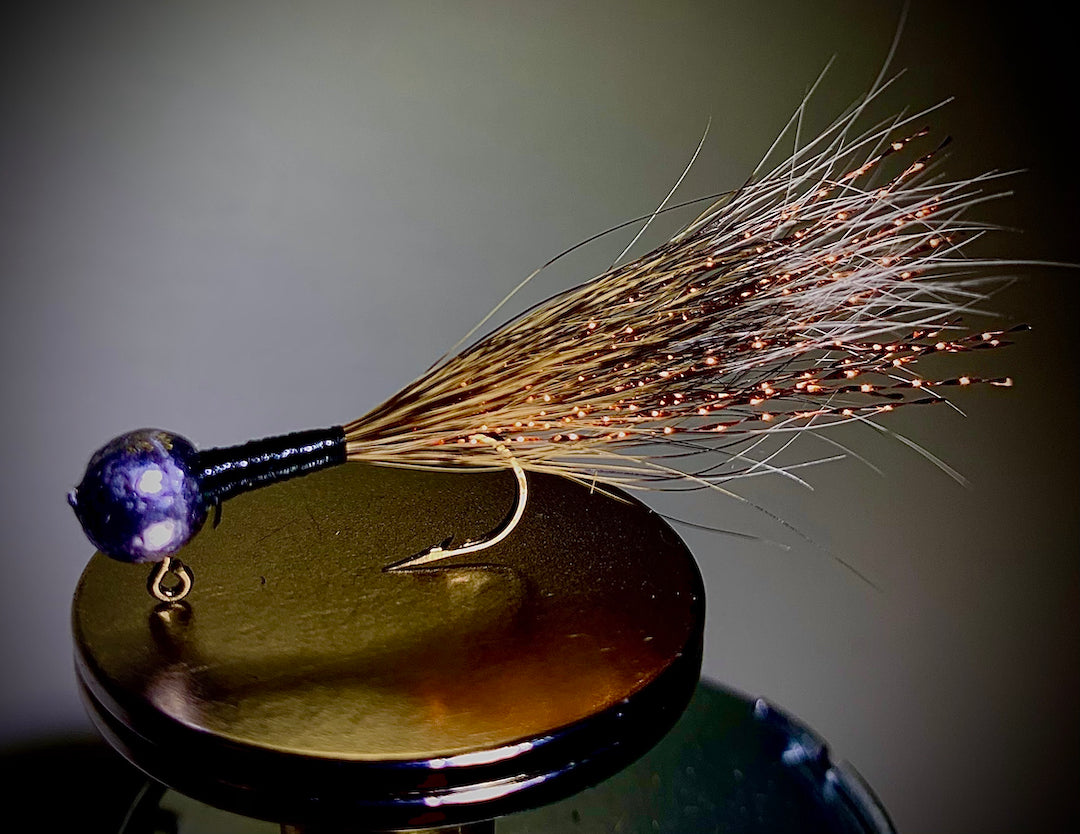
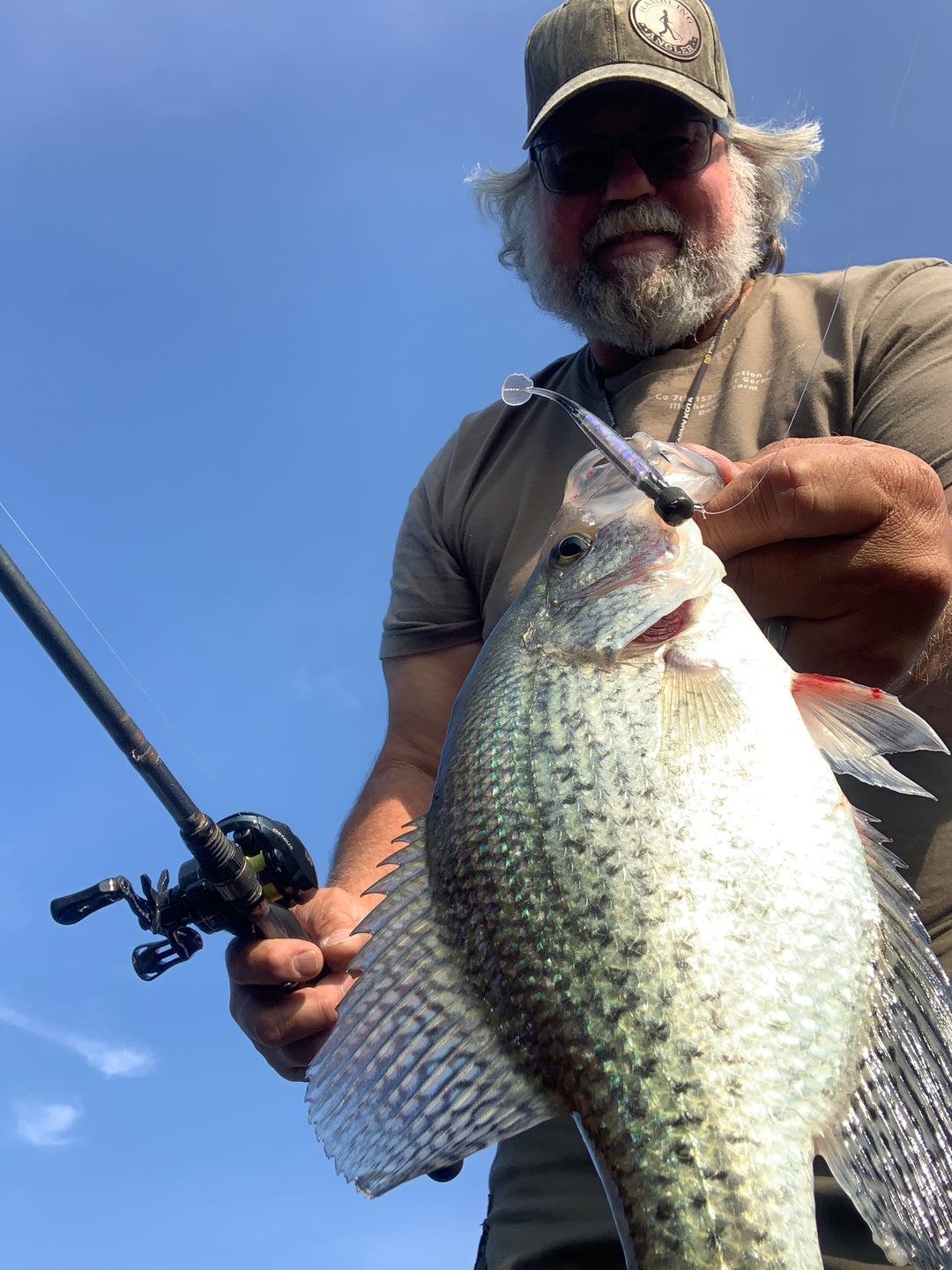
The all-purpose starting point for bluegill jigs is a 1/32-ounce head paired with a 1 to 1.5-inch soft plastic. That combination fits in a bluegill's small mouth, falls slowly enough for fish to inspect, and works in the widest range of depths. For very shallow or clear water with finicky fish, drop to 1/64 ounce. When you're dealing with wind, depth beyond 8 feet, or any real current, step up to 1/16 ounce for better depth control.
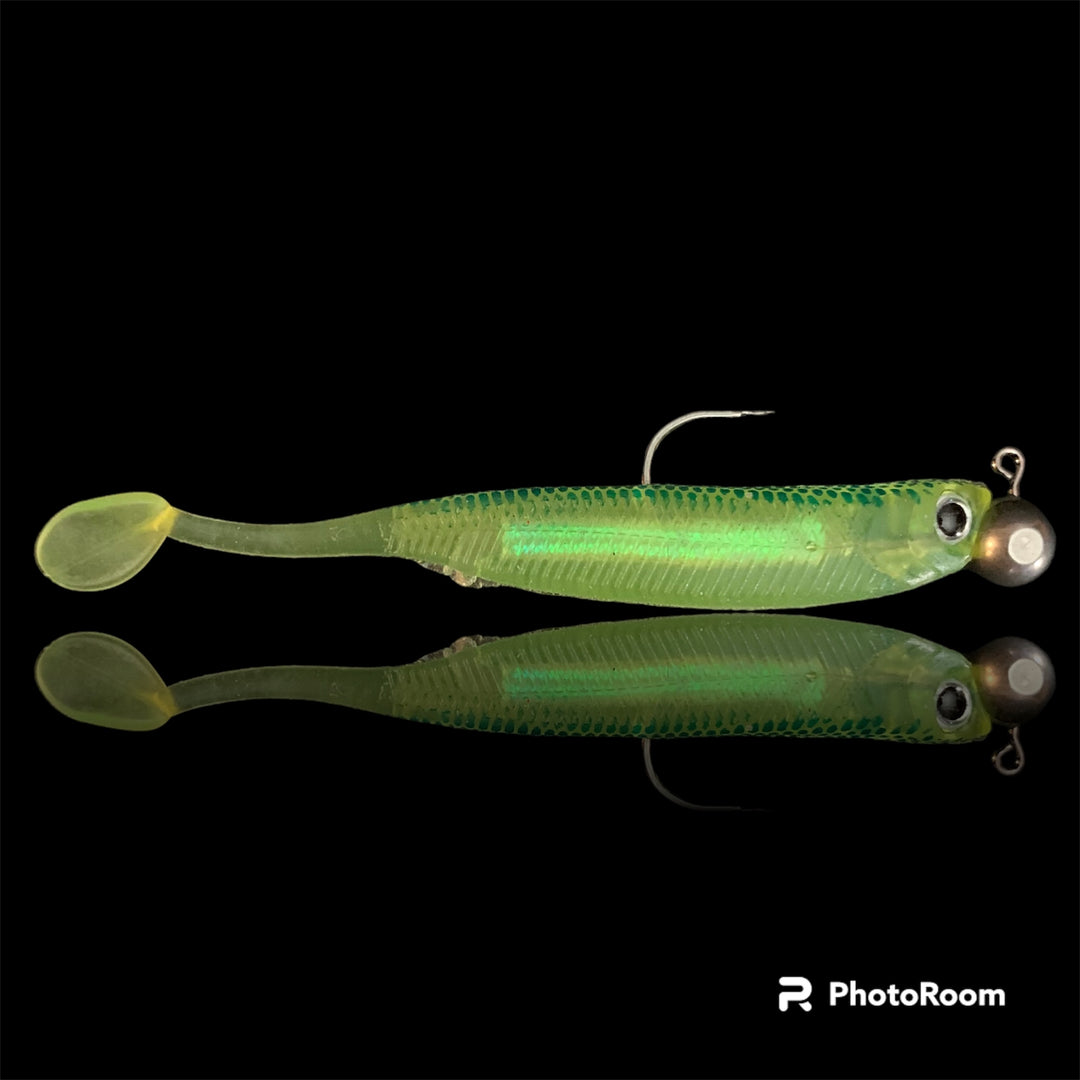
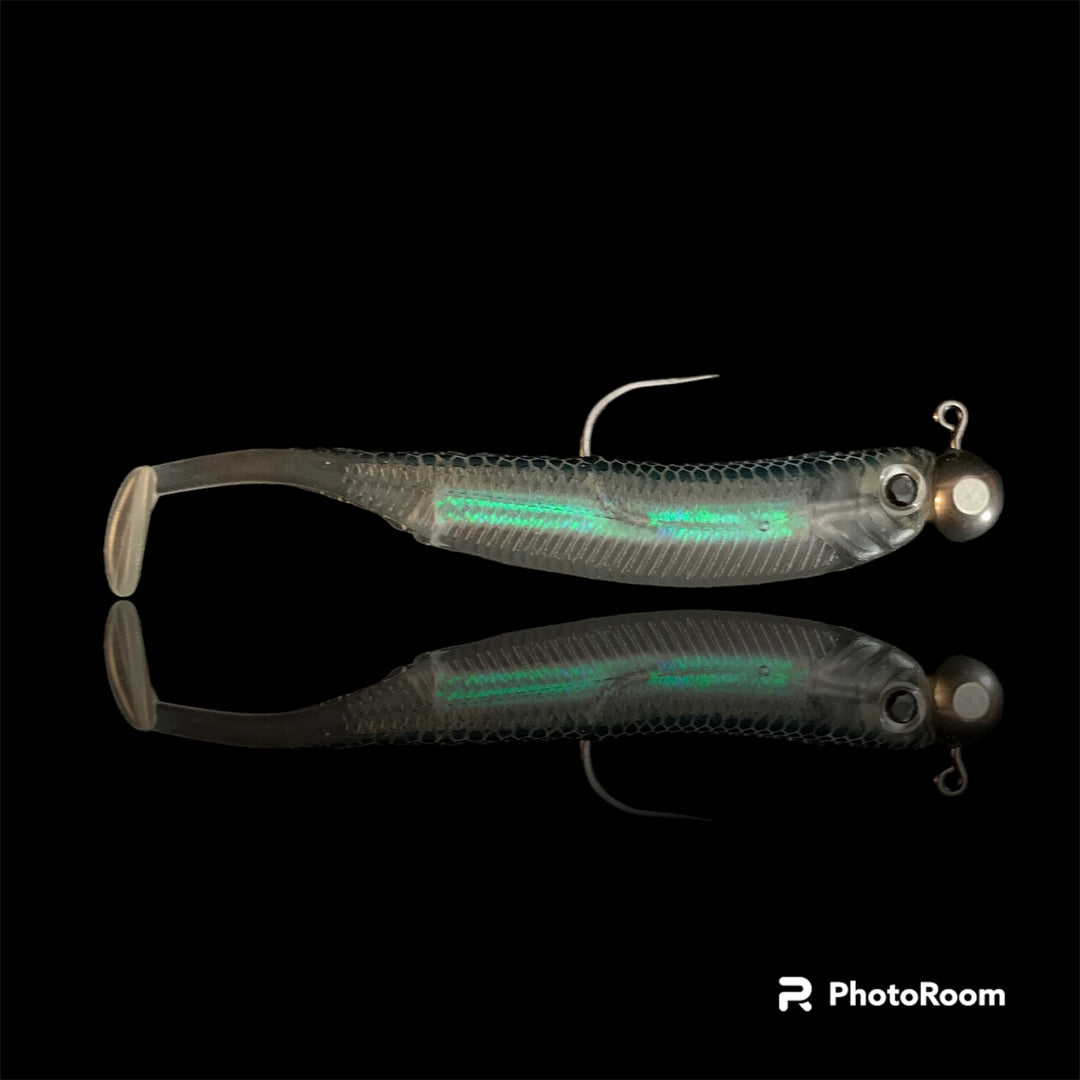
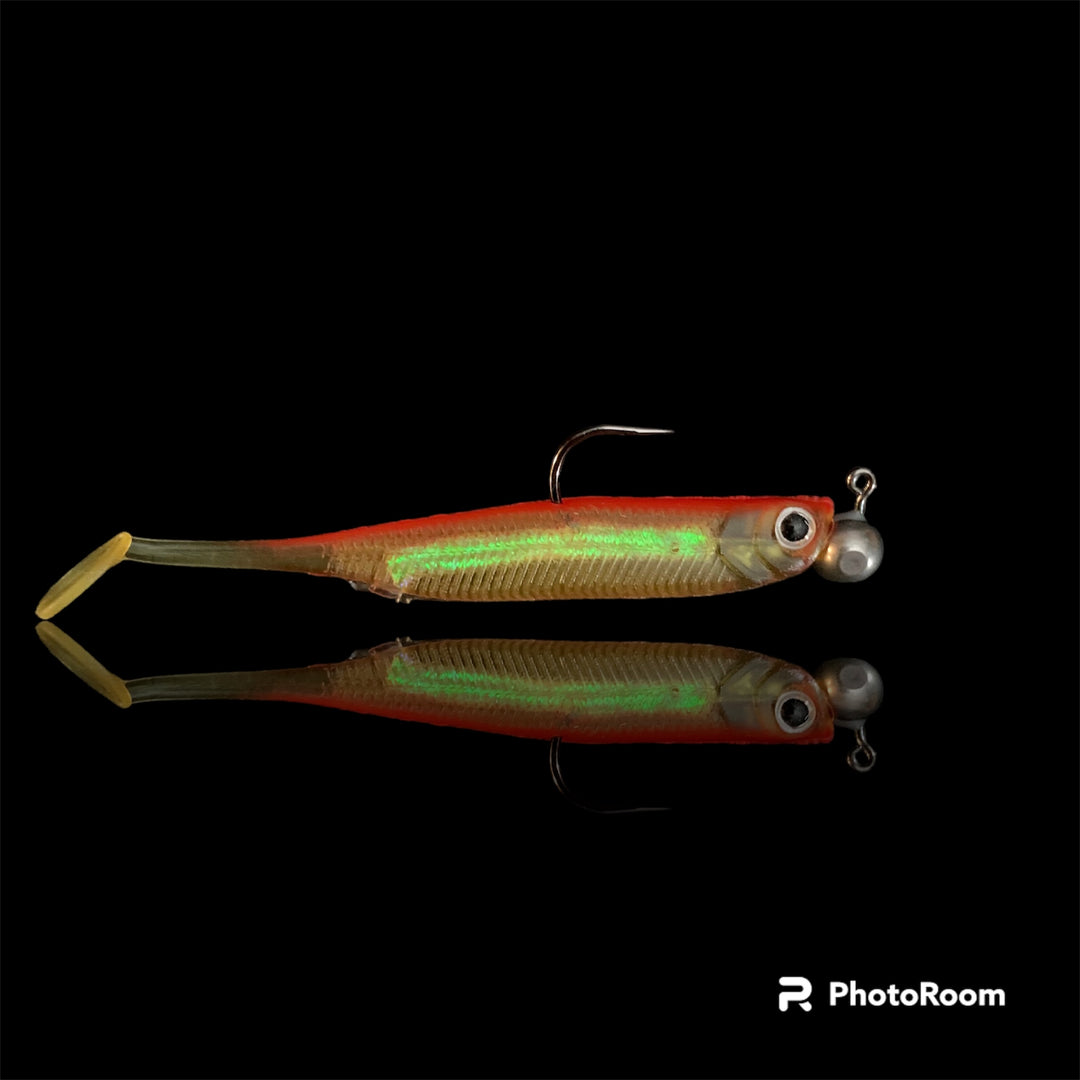
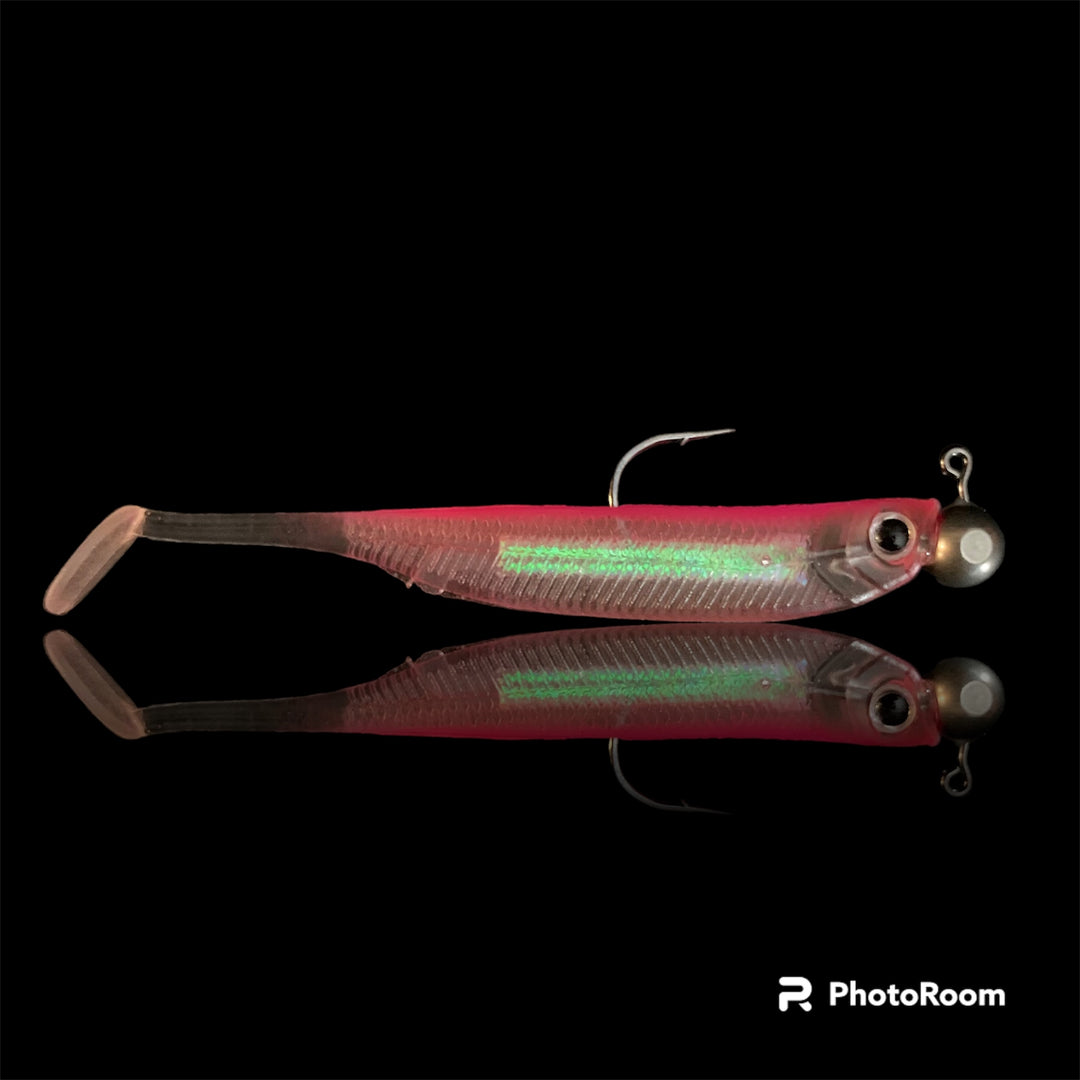
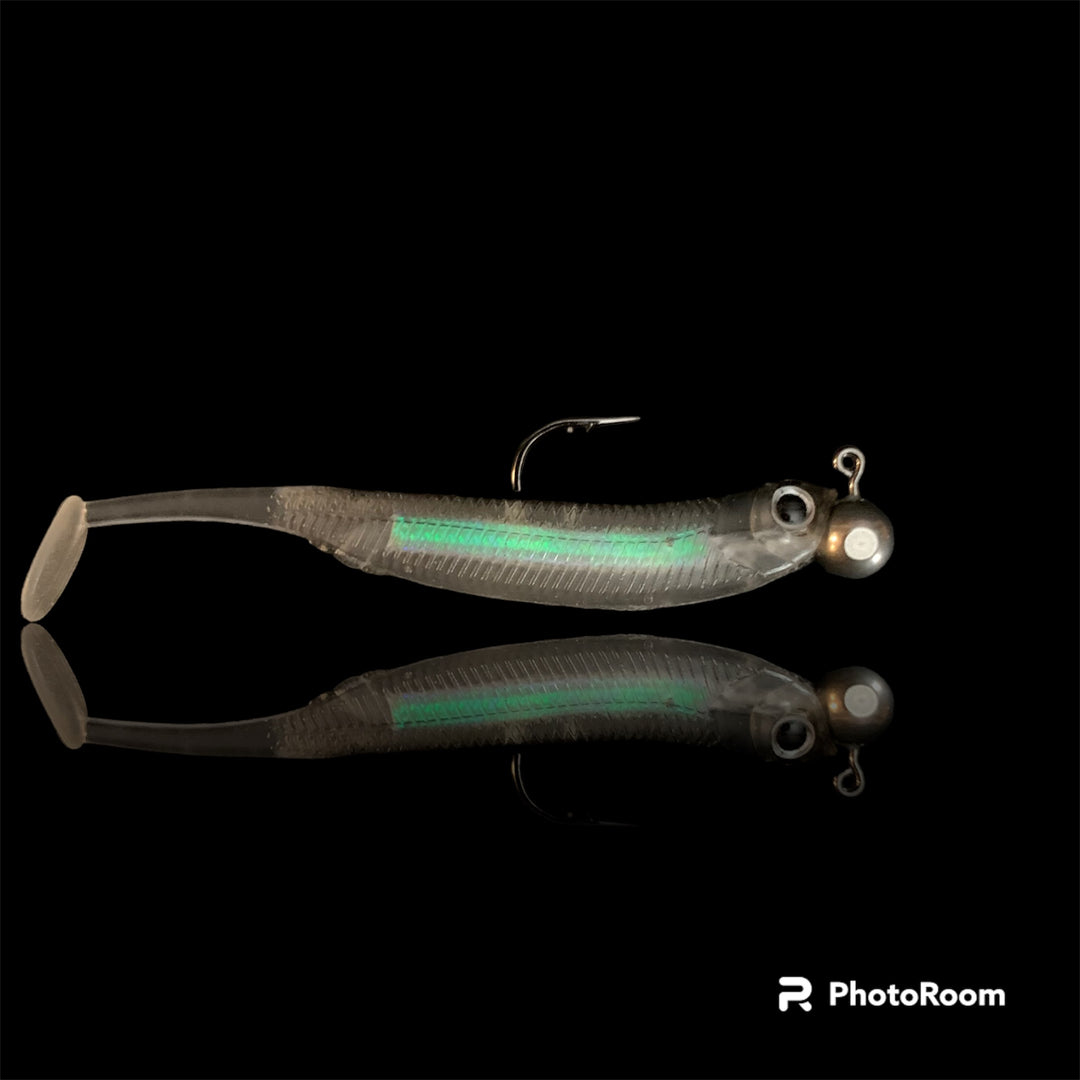
Plastic length matters more than most anglers acknowledge. Keep the body between 1 and 1.5 inches, and position the hook point near the mid-body section of the plastic. Bluegill frequently nip long tails without getting hooked, trim the tail shorter and you'll convert far more of those strikes. Proven plastic styles include tube jigs, curly-tail grubs, wedge-tail glide bodies, and compact nymph or bug imitations. All of these outperform oversized baits on a species with a small mouth.
Color strategy for clear water versus stained water
In clear water, natural tones do the work: green pumpkin, watermelon, olive, brown, and smoke. Bluegill can see fine detail in clean water, and bright colors often read as unnatural at close range. In stained or murky water, flip to chartreuse, white, pink, or orange to give fish something visible to target. Dark silhouettes like black or dark brown are underrated in low-light conditions, creating a strong contrast against a lighter sky.
If fish are following but not committing, resist the urge to change bait entirely. Downsize first. A smaller piece of plastic and a slower presentation solves this problem more often than a color switch does. Shrink the bait before you change the color, and change the color before you abandon the presentation altogether.
Beetle spins, small spinners, and compact artificials
Beetle spins and small inline spinners serve a specific purpose: covering water quickly when bluegill are active and spread across flats. The flash and vibration trigger reaction strikes from fish that won't chase slow presentations. These work best when water temperatures are in the 65 to 75°F range and fish are in a feeding mood near shallow structure. They're not finesse tools, but they earn their place in warm-water situations.
Bait for bluegill fishing: how to rig for consistent hook-ups
The standard float rig: setup and depth adjustment
The core rig is simple and it works: a size-8 to size-10 Aberdeen or light-wire hook, one small split shot pinched 8 inches above the hook, and a fixed float set roughly 2 feet above the hook as a starting point. Choose the smallest float that casts the bait cleanly. An oversized float creates resistance on the strike, and bluegill will drop the bait before you can set the hook. When the bite slows, adjust the float depth in 6- to 12-inch increments before changing anything else. Finding the right depth solves the problem more often than switching bait.
Hooking a nightcrawler piece and a cricket correctly
For a worm piece, thread it just enough to cover the shank and leave a short tail dangling free, with the hook point exposed. A worm buried under excess bait looks unnatural on the descent and reduces hook-up rates. For a cricket, pass the hook once through the hard thorax just behind the head, avoiding the softer abdomen. A single pass through the thorax keeps the cricket alive and kicking, which is the entire point of using live bait.
Rigging micro soft-plastics under a float and without one
Two setups cover most situations. Under a float, use a light jig head or a small hook with a split shot 8 to 10 inches above the plastic, and let the bait hang straight and natural. Cast without a float for a slow-fall presentation alongside weeds, docks, or brush. The plastic must hang straight on the hook, not bunched or angled off the bend. Any twist kills the action. A slow lift, pause, and drop retrieve consistently outperforms any fast or aggressive retrieve with these small baits.
Where bluegill hold by temperature and what that means for your presentation
Spring and summer: working shallow water and cover
When water temperatures reach 65 to 75°F, bluegill move onto shallow flats, weed edges, and spawning beds. The strike zone during the spawn is often just 1 to 3 feet deep, and a float rig with a cricket or worm piece dropped near visible beds produces fast action. Dawn and dusk are the prime windows during summer heat. By midday, fish retreat to shade, deeper vegetation, or the first available drop-off. Fish early, fish shallow, and adjust depth as the sun climbs.
Fall and cold water: going deeper and slower
When temperatures drop below 55°F, bluegill school tighter and push toward deeper structure: channel edges, submerged brush piles, and basin drop-offs. A 1/32-ounce jig tipped with a small worm piece or waxworm, fished just above the bottom, produces more bites in these conditions than a float rig covering shallow water. Slow everything down. Longer pauses, smaller bait, and vertical or near-vertical presentations are the right approach once fall sets in and temperatures keep falling.
Depth as the first variable to adjust
This point is worth repeating because most anglers skip it: when the bite slows, move the float before you change the bait. Shift it 6- to 12-inch increments at a time. Fish are often still there at a slightly different depth, and a bait change won't fix a depth problem. Once you find a productive level, stay at that depth and work similar structure rather than moving location randomly. Bluegill are consistent in their habits once you find where they're sitting.
When bluegill go picky: fast fixes and trophy panfish tactics
Downsizing and slowing down before changing bait
The most common mistake when the bite stalls is reaching for a completely different bait. Before you do that, try a smaller piece of worm, a lighter jig head, or a slower retrieve. If your float is going under but fish aren't staying hooked, they're tasting the bait and dropping it. A shorter plastic tail and a quick but controlled hook lift on the next dip converts more of those short strikes than switching to a new bait entirely. Work the problem systematically: depth first, size second, color third, bait fourth.
Targeting slab bluegill instead of just numbers
Large bluegill don't behave like the smaller fish in the school. They hold closer to hard structure, feed near the bottom more often, and rarely chase fast or high-riding presentations. A cricket, mealworm, leech, or compact soft plastic fished on the outer edge of a school, or along a hard bottom transition, produces disproportionately large fish. Fish where the school ends, not in the middle of it. The biggest fish in any group hold on the perimeter, feeding on what drifts past rather than competing in the middle of the action.
Quick troubleshooting sequence before giving up
When nothing seems to be working, run through this sequence before you pack up: adjust depth first, then reduce bait size, then change color contrast, then consider moving location. Most slow sessions are a depth problem disguised as a bait problem.
Putting it all together
The decision tree for bait for bluegill fishing doesn't need to be complicated. Start with a small worm piece on a simple float rig. Switch to crickets when water temperatures climb above 65°F. Add micro jigs when live bait isn't available or when you want to cover water faster. Through all of it, adjust depth before anything else when the bite slows. Getting the size, presentation, and depth dialed in makes a measurable difference in results, and none of it requires an expensive or complex setup.
Rambling Angler Outdoors carries micro jig kits, light-wire hooks, and ultralight panfish tackle for anglers who want a ready-to-go selection, and the Rambling Angler Outdoors magazine goes deeper on bluegill locations, seasonal hot spots, panfish recipes, and guides for every skill level.
Pick one bait for bluegill fishing from this article, rig it the right way, and put it in front of fish this week. The setup is straightforward, the learning curve is short, and the results will show up in your cooler.





Leave a comment